Top 5 Construction Mistakes to Avoid: Build Smart, Build Strong
Top 5 Construction Mistakes
Even the smallest mistake can lead to massive consequences in construction. These problems can turn a dream project into a nightmare, from budget overruns to structural failures. Whether you're a homeowner building your first house, a business owner planning a commercial space, or a property developer managing large projects, it's crucial to understand and avoid these common construction mistakes.

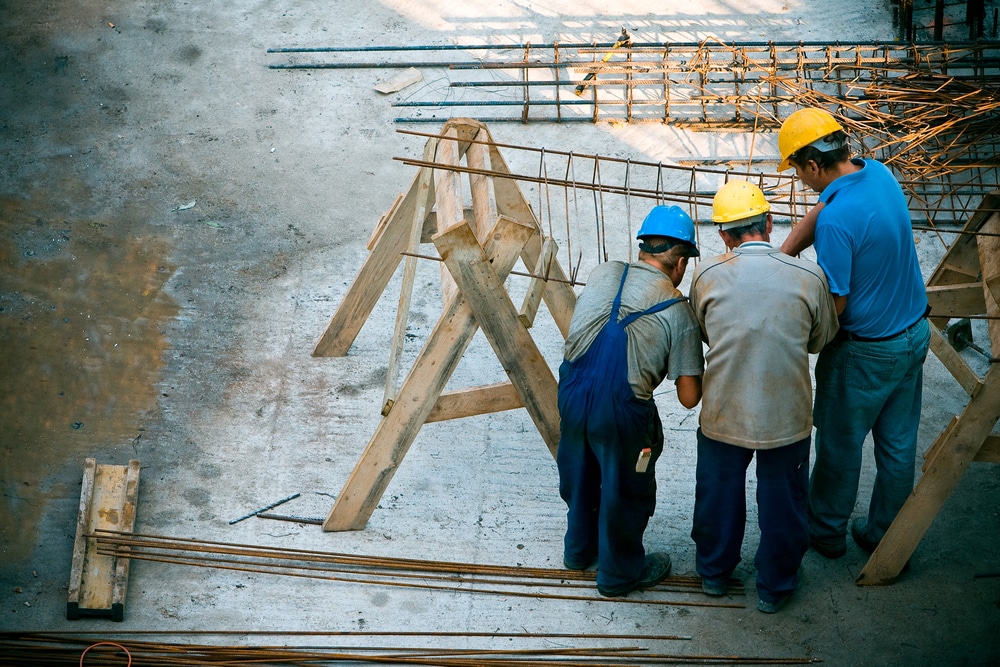
This guide explains the top 5 construction mistakes you must avoid, with clear examples and expert recommendations to help you build smart and strong.
1. Skipping Site Analysis and Soil Testing
Why it matters: Every building starts from the ground up. The type of soil on your land affects how well your structure will stand over time. Ignoring this step can result in uneven foundations, cracks, and, in severe cases, building collapse.
What can go wrong:
Foundation settlement or sinking
Water logging or poor drainage
Structural instability
Best Practices:
Hire a licensed geotechnical engineer to perform a soil test.
Understand the water table and drainage capacity of the land.
Customize your foundation based on the soil report (e.g., raft foundation for loose soil).
"A strong building needs strong ground. Never start without understanding your soil."
2. Poor Structural Design and Load Miscalculations
Why it matters: A well-designed structure distributes weight evenly and resists stress caused by wind, earthquakes, and daily use. Mistakes in the load-bearing plan can lead to dangerous collapses and long-term safety risks.
What can go wrong:
Cracks in walls and slabs
Buckling columns
Roof sagging or beam failure
Best Practices:
Hire certified structural engineers who use software like ETABS or AutoCAD.
Conduct a structural audit before execution.
Ensure your design complies with the Nepal National Building Code (NBC).
"Good design isn't just about beauty. It's about safety, efficiency, and durability."
3. Ignoring Local Building Codes and Legal Approvals
Why it matters: Building codes exist to ensure safety, efficiency, and environmental balance. Ignoring them can lead to legal problems, penalties, or even demolition orders.
What can go wrong:
Construction halts due to missing permits
Fines and legal disputes
Ineligibility for insurance or loans
Best Practices:
Always work with a registered construction firm familiar with local bylaws.
Get approvals from local municipalities and ward offices before starting.
Maintain all blueprints and permits on-site during construction.
"Compliance is not optional. It protects your investment and your peace of mind."
4. Using Low-Quality Construction Materials
Why it matters: Compromising on material quality to save costs is a short-sighted decision. Substandard cement, steel, or bricks reduce the life and strength of your building.
What can go wrong:
Crumbling plaster
Rusting reinforcement bars (rebar)
Frequent repairs and maintenance costs
Best Practices:
Source materials from certified suppliers.
Check for ISI marks and batch testing reports.
Don’t hesitate to ask your contractor for receipts and proof of purchase.
"Quality materials today save lakhs in repairs tomorrow."
5. Lack of On-Site Supervision and Project Management
Why it matters: Even the best design can fail without proper supervision during construction. On-site negligence leads to errors, material wastage, and safety hazards.
What can go wrong:
Misaligned beams and columns
Delayed timelines
Labor inefficiency and cost overruns
Best Practices:
Assign a dedicated project manager.
Conduct regular inspections and progress meetings.
Use digital tools for real-time updates and documentation.
"Projects succeed not just on paper but in how they're executed on the ground."
BONUS TIP: Work With Professionals You Can Trust
Choosing an experienced construction partner helps you avoid these pitfalls. From site testing to structural design, from legal approvals to final finishing, a reliable company ensures you get what you pay for—and more.
If you’re planning to build in Nepal, connect with a team that values quality, transparency, and engineering excellence.
Frequently Asked Questions (FAQs)
Q1: Is soil testing necessary for small residential homes? Yes, even small homes need soil testing. It ensures your foundation is suitable for the soil type and local conditions.
Q2: How can I be sure my contractor is using quality materials? Ask for brand names, supplier details, and certifications. You can also inspect the materials yourself by visiting the site regularly.
Q3: What permits do I need to start building in Nepal? You typically need approvals from the ward office, municipality, and sometimes, an environmental clearance. Always check the latest local regulations.
Q4: What is the role of a project manager in construction? A project manager oversees planning, scheduling, budgeting, labor coordination, and safety, ensuring your project runs smoothly.
Need Expert Help?
Avoid costly mistakes and build with confidence. Connect with professionals who bring experience, technical know-how, and transparency to every project.
📧 Email: [email protected]
📞 Phone: +977 9767464863
🌐 Website: www.bksec.com.np